
Buying guide · 9 min read
Reverse osmosis vs. carbon filtration: an honest comparison
By Jason Preston, Founder · June 2026

RO is a genuinely excellent technology — certified for PFAS reduction and thorough on dissolved solids. But it wastes 3 to 5 gallons for every gallon it produces, strips beneficial minerals, and treats only one tap. A catalytic-carbon multi-stage system like our Sentry H2O Wellness System covers the same key threats — chlorine, chloramine, PFAS, VOCs, lead, and arsenic — produces zero wastewater, and is designed to add minerals back rather than strip them. For most city-water homes, that's the better trade-off. RO earns its place for specific situations like very high-TDS or brackish water; and where nitrates are the concern, our whole-home systems are custom-fitted with nitrate-selective media matched to your water test. I'll walk through both honestly.
The mineral difference
Stripped, or still alive
This is the visual at the heart of the whole comparison. Reverse osmosis makes water that's clean but demineralized and flat. Catalytic carbon takes out what shouldn't be there and leaves the minerals in. Drag to compare.

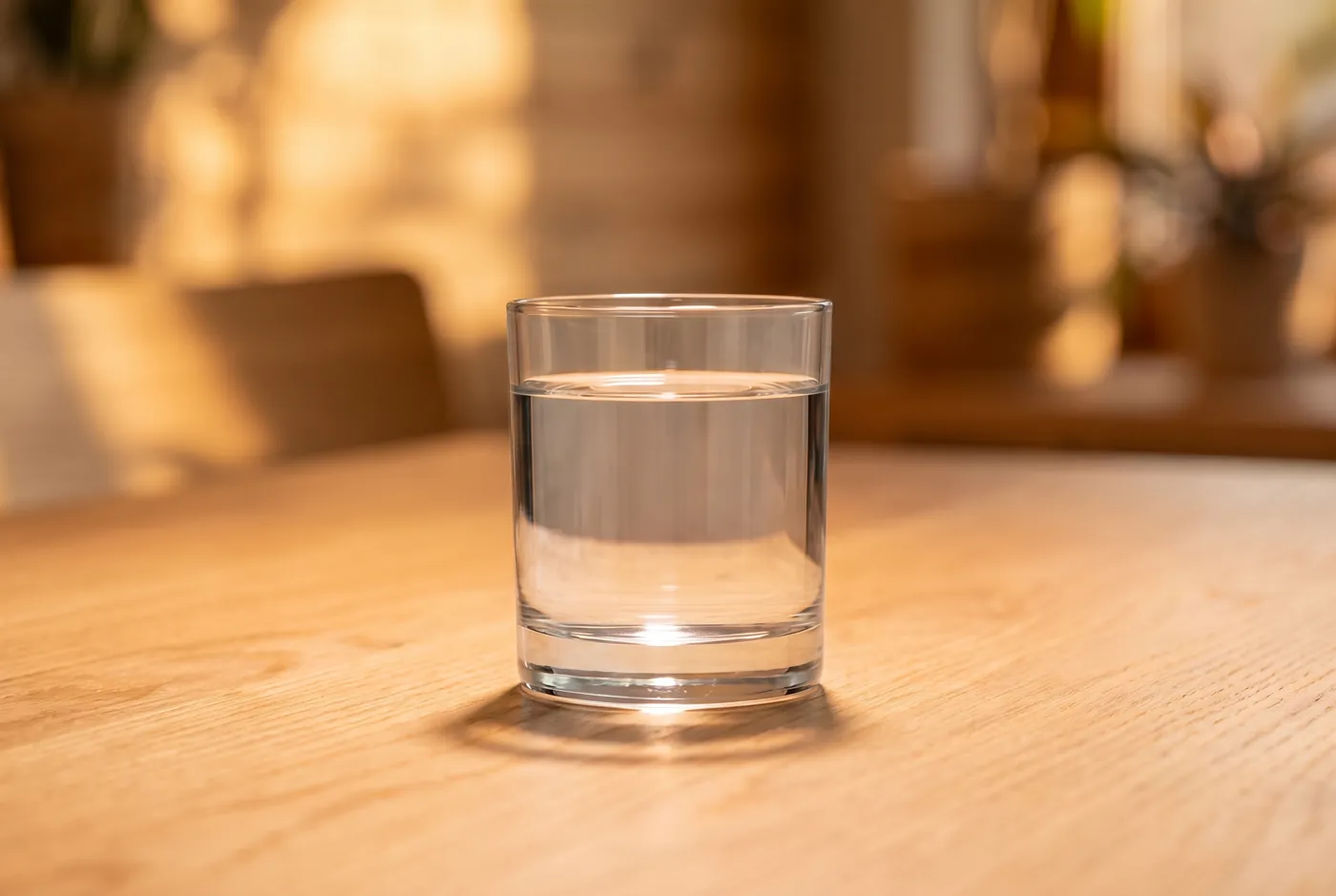
Illustrative comparison of mineral-rich vs. demineralized water. "Alive" means mineral-rich and better-tasting — a taste difference, not a health claim.
The question I get asked most is some version of "should I get reverse osmosis or a carbon filter?" And I understand why — online you'll find confident people on both sides. What I've found is that once you understand what each technology is actually built to do, the right answer for most homes becomes pretty clear. I'll give you the honest version, including where RO genuinely wins.
How catalytic-carbon multi-stage filtration works
Activated carbon is one of the oldest and most trusted water-treatment methods — but catalytic carbon is a significant step up from the standard version. Through a specialized manufacturing process, the carbon surface gains the ability to catalyze chemical reactions, which lets it break down and remove compounds that standard carbon handles poorly or not at all.
The biggest practical difference is chloramines. Most municipal water utilities have switched from chlorine to chloramine as the primary disinfectant. Standard activated carbon struggles with chloramines; catalytic carbon breaks them down efficiently. It's also more effective against VOCs, hydrogen sulfide, and PFAS/PFOAS (forever chemicals).1
Catalytic carbon takes out what shouldn't be there and leaves the minerals in — never stripped of its oxygen or minerals like reverse-osmosis water.
Our Sentry H2O Wellness System is a 5-stage under-sink system built around this approach. The stages work together: ToxyGuard catalytic-carbon blend handles chlorine, chloramine, fluoride, VOCs, lead, and arsenic (PFAS is measured for the full system — most compounds non-detect in independent lab testing). A salt-free CT resin stage neutralizes scale without brine or discharge. AlkaGuard is designed to remineralize — it adds calcium and magnesium and raises pH to roughly 8–9.5, so you get better taste and beneficial minerals rather than stripped-out water. Filters are replaced annually; install takes about 30 minutes with included fittings and tube cutters — no plumber.
The appeal beyond performance is simplicity: no electricity, no drain line, zero wastewater. See when and why to replace your filter for the full replacement guide.
How reverse osmosis works
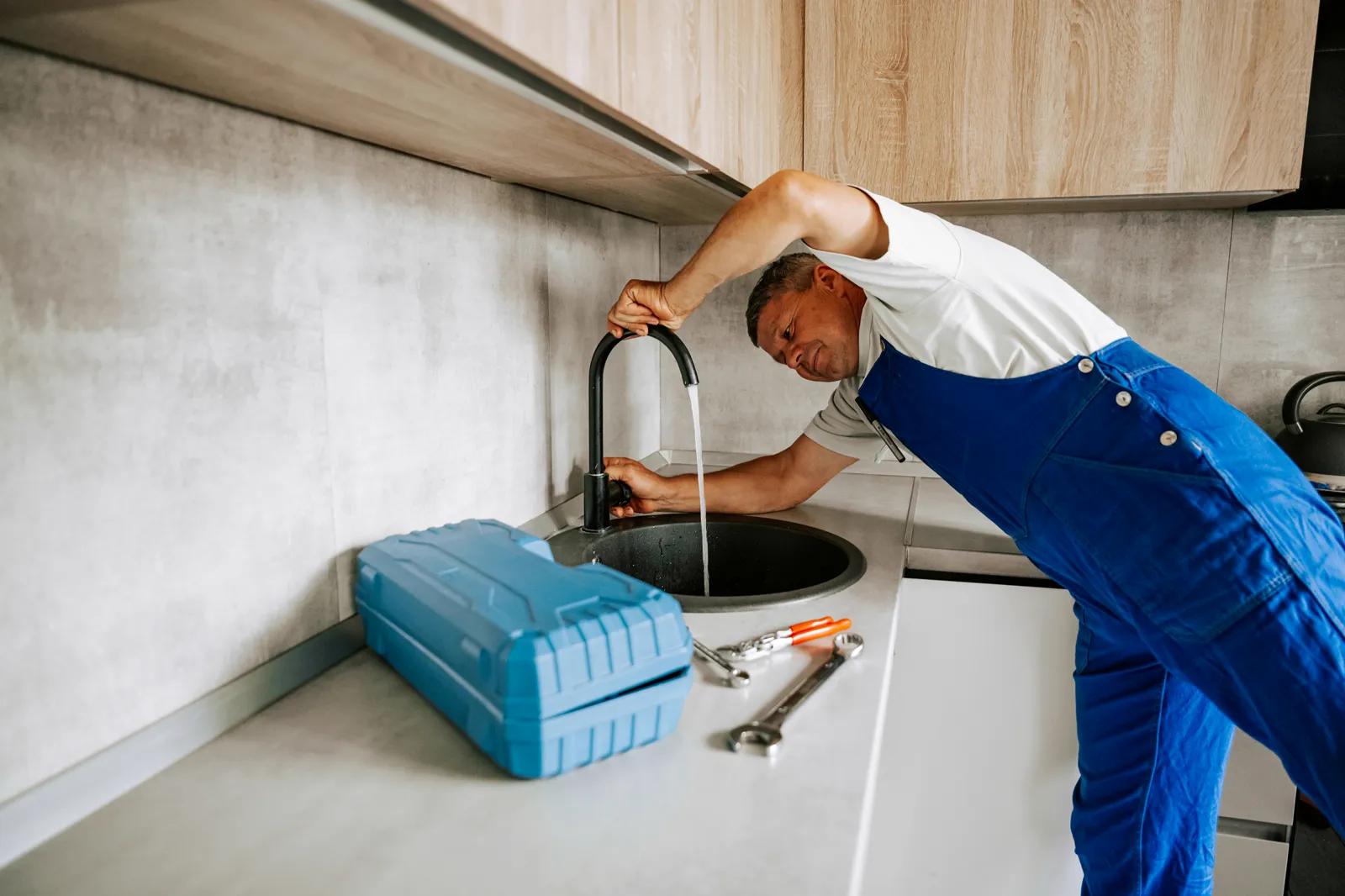
Reverse osmosis pushes water under pressure through a semi-permeable membrane with openings so small that most dissolved substances cannot pass. Water molecules get through; a large share of what is dissolved in the water does not. This makes RO remarkably thorough — it reduces a very wide range of dissolved contaminants, including things catalytic carbon cannot address as effectively, like nitrates and certain heavy metals. NSF/ANSI 58-certified RO systems are also formally certified for PFAS reduction.2
A modern RO system is always multi-stage — carbon is part of it. A carbon pre-filter sits ahead of the membrane because chlorine degrades the membrane over time. So in practice, RO and carbon are not rivals inside RO systems; carbon protects the membrane.
What RO cannot do: it cannot produce water at volume for your whole house, it requires a holding tank under the sink, and the process sends 3 to 5 gallons down the drain for every gallon it produces. It also removes beneficial minerals (calcium, magnesium) along with contaminants — which is why quality RO units often include a remineralization stage bolted on afterward, a trade-off worth weighing before you buy.
The honest trade-offs, side by side
I want to be fair here because RO has real strengths. Here's what each approach actually delivers:
| Factor | RO | Catalytic-carbon multi-stage (Sentry H2O) |
|---|---|---|
| Chlorine & chloramine | Yes (pre-filter carbon) | Yes — catalytic carbon excels here |
| PFAS / PFOAS | Yes (NSF/ANSI 58 certified) | Yes — system-level: most compounds non-detect in independent lab testing |
| VOCs | Partial | Yes |
| Nitrates | Reduces them — with 3 to 5 gal waste + mineral loss | Whole-home builds add nitrate-selective media, matched to your water test |
| Lead & arsenic | Yes | Yes — ToxyGuard |
| Beneficial minerals | Removed (add-on restores some) | Retained + added (AlkaGuard) |
| Wastewater | 3 to 5 gal per gallon filtered | Zero |
| Coverage | One tap (point-of-use) | Under-sink; whole-house option |
| Tank required | Yes | No |
| Typical install | Plumber often needed | ~30 min DIY |
| Filter replacement | Carbon pre-filter annually; membrane 2–3 yrs | Annual |
The mineral point matters more than it sounds. When I tested my own tap water, the RO output was noticeably flat — that's demineralized water. AlkaGuard solving this natively (rather than as a tacked-on afterthought) is one of the things that made me comfortable recommending the Sentry H2O approach as the default. That said: if your water report shows elevated nitrates — common in agricultural areas and some well water — that's not a reason to accept RO's waste and mineral loss. Our whole-home systems are custom-fitted with nitrate-selective media, matched to your water test, to handle nitrates directly.
What the WHO found about mineral loss
There's a deeper reason AlkaGuard exists, and it's worth explaining honestly rather than glossing over. The World Health Organization's own research on demineralized water puts it plainly: "The process of desalination, either by flash evaporation or reverse osmosis, depletes the source water of its mineral contents."3 That's not a marketing line — it's WHO's own framing of what an RO membrane does by design.
WHO's expert review goes on to document specific, evidence-tiered ways that ongoing mineral loss can matter for people who rely on demineralized water long-term — including reduced calcium and magnesium intake, and a concrete, quantified effect most people don't expect: mineral loss from the food cooked in that water. WHO's review found that cooking with soft, low-mineral water can strip up to 60% of the magnesium and calcium out of vegetables, meat and cereals, and even more for some trace elements.3 These are population-level associations WHO ties to sustained, long-term reliance on demineralized water — not a claim that a glass of RO water is harmful.
Dr. Josh Axe, DC, CNS — one of the most-read voices in wellness media — has carried that same figure to a mainstream audience, writing that cooking with demineralized water like reverse-osmosis water, "you can lose up to 60 percent of magnesium or 70 percent of manganese in your food."4 That's not an independent finding; it's the same WHO research above, restated for a wellness readership. It's why we built AlkaGuard into every Sentry H2O Wellness System instead of treating remineralization as a bolt-on afterthought. For the fuller picture — including WHO's five documented concern categories and the vitamin research Dr. Axe cites — read reverse osmosis water side effects: what the evidence actually shows.
Whole-house vs. at-the-tap
RO is almost always a point-of-use system — one tap, one sink, drinking and cooking water. Treating an entire home's water with RO is generally impractical and unnecessary. Our Sentry H2O Wellness System is also under-sink, covering your primary drinking and cooking tap.
If you want every tap in the house — showers, laundry, appliances — treated for chlorine and chloramine, that's where a whole-house system comes in. The Sentry H2O whole-house setup is a tank-based catalytic-carbon system (ToxyGuard Pro media + salt-free scale control) that treats every drop entering your home, with an under-sink drinking system included. It can pair with a VIQUA UV unit if microbial concern is on the table. The whole-house tank doesn't need annual cartridge swaps — city water tanks are refreshed via the Whole Home Revitalizer every 1–3 years depending on household size; well-water tanks run 5–7 years. See our full guide: whole-home vs. under-sink — which do you need?
Water softeners are a different tool — they target hardness minerals to reduce scale and protect plumbing. They are not interchangeable with carbon or RO; in many homes all three play distinct roles. The Sentry H2O CT resin stage handles scale without salt or brine, which is why I don't typically point city-water customers toward a traditional salt softener.
So which one do you need?
For most city-water homes: catalytic-carbon multi-stage. If your main concerns are chlorine, chloramine, taste, PFAS, VOCs, lead, or arsenic — and you want zero-waste filtration with mineral-enriched water at your drinking tap — the Sentry H2O Wellness System covers it without the wastewater penalty or the mineral-stripping problem. That's the recommendation I make most often, honestly.
Consider RO if: you're dealing with brackish water or a very high, complex dissolved-solids profile — RO's membrane is the more thorough option for those specific situations. (For elevated nitrates, common in agricultural regions and some private wells, our whole-home systems are custom-fitted with nitrate-selective media matched to your water test — targeted removal without RO's waste stream or stripped minerals.) Check your annual water quality report or get a test — see our PFAS guide and what's actually in your tap water for context.
Not sure? Take the quiz — it asks the right questions about your water source, household size, and concerns, then points you toward the right fit.
Not sure which fits your home?
Answer a few questions and we'll point you toward the right fit — no jargon, no pressure.
Take the 60-second quizFrequently asked questions
Is reverse osmosis always better than catalytic-carbon filtration?
Not for most households. RO has formal NSF/ANSI 58 certification for PFAS reduction and genuinely leads on very high dissolved-solids (brackish) water. But it wastes 3 to 5 gallons per gallon, strips minerals, and covers one tap. Even on nitrates — RO's classic edge — our whole-home systems are custom-fitted with nitrate-selective media matched to your water test, so you get targeted removal without the waste. A catalytic-carbon multi-stage system like the Sentry H2O Wellness System handles chlorine, chloramine, PFAS, VOCs, lead, and arsenic — with zero wastewater and built-in remineralization. For the typical city-water home, that's the better overall fit.
Does reverse osmosis remove the good minerals too?
Yes. RO membranes remove dissolved minerals along with contaminants — calcium and magnesium go with everything else. Many RO systems address this with a bolted-on remineralization stage. The Sentry H2O Wellness System's AlkaGuard does this natively as one of its five stages: it is designed to add calcium and magnesium and raise pH to roughly 8–9.5, producing noticeably better-tasting water without a separate add-on.
Can catalytic carbon actually reduce PFAS?
Yes — as a technology class, carbon-based systems designed and tested for it are documented to reduce PFAS, and in independent lab testing of the full Sentry H2O Wellness System most PFAS compounds reached non-detect. Catalytic carbon also handles chloramines and VOCs that standard activated carbon handles poorly. NSF/ANSI 58-certified RO membranes are also effective against PFAS. Both are legitimate options; the right one depends on your full water profile. See our PFAS guide for more detail.1
Do I still need a water softener?
Depends on your hardness level. The Sentry H2O Wellness System's CT resin stage manages scale without salt or brine — it's not a traditional water softener but it prevents scale buildup effectively for most city-water homes. If your hardness is severe, test your water first and we can help you read the results. See our hard water guide for more.
How often does the Sentry H2O Wellness System need maintenance?
The under-sink Wellness System filters are replaced annually — a 30-minute job with no plumber and included fittings. That's the maintenance ask. The system has no membrane to replace, no tank to manage, and no brine to discharge. See our replacement guide for specifics.
Keep reading
1 EPA and NSF research on catalytic carbon and PFAS reduction: EPA — PFAS in Drinking Water
2 NSF/ANSI 58 standard for reverse osmosis systems: NSF — Drinking Water Treatment Units: Reverse Osmosis
3 World Health Organization, Nutrients in Drinking Water (Geneva: WHO Press, 2005), pp. 76, 150–154 — WHO's review of desalination/demineralization and mineral loss in water and food: WHO — Nutrients in Drinking Water (PDF)
4 Dr. Josh Axe, DC, CNS — "Is Reverse Osmosis Water Good for You? Or Does It Over-Filter?" draxe.com, November 1, 2023: draxe.com/health/reverse-osmosis-water
Educational guidance only — not health or medical advice.